

Project Management

Professional management of your build from construction through to completion.

Building a home through direct labour offers homeowners greater visibility and control over costs, but it also requires careful planning, coordination, and daily management to ensure the project runs smoothly.

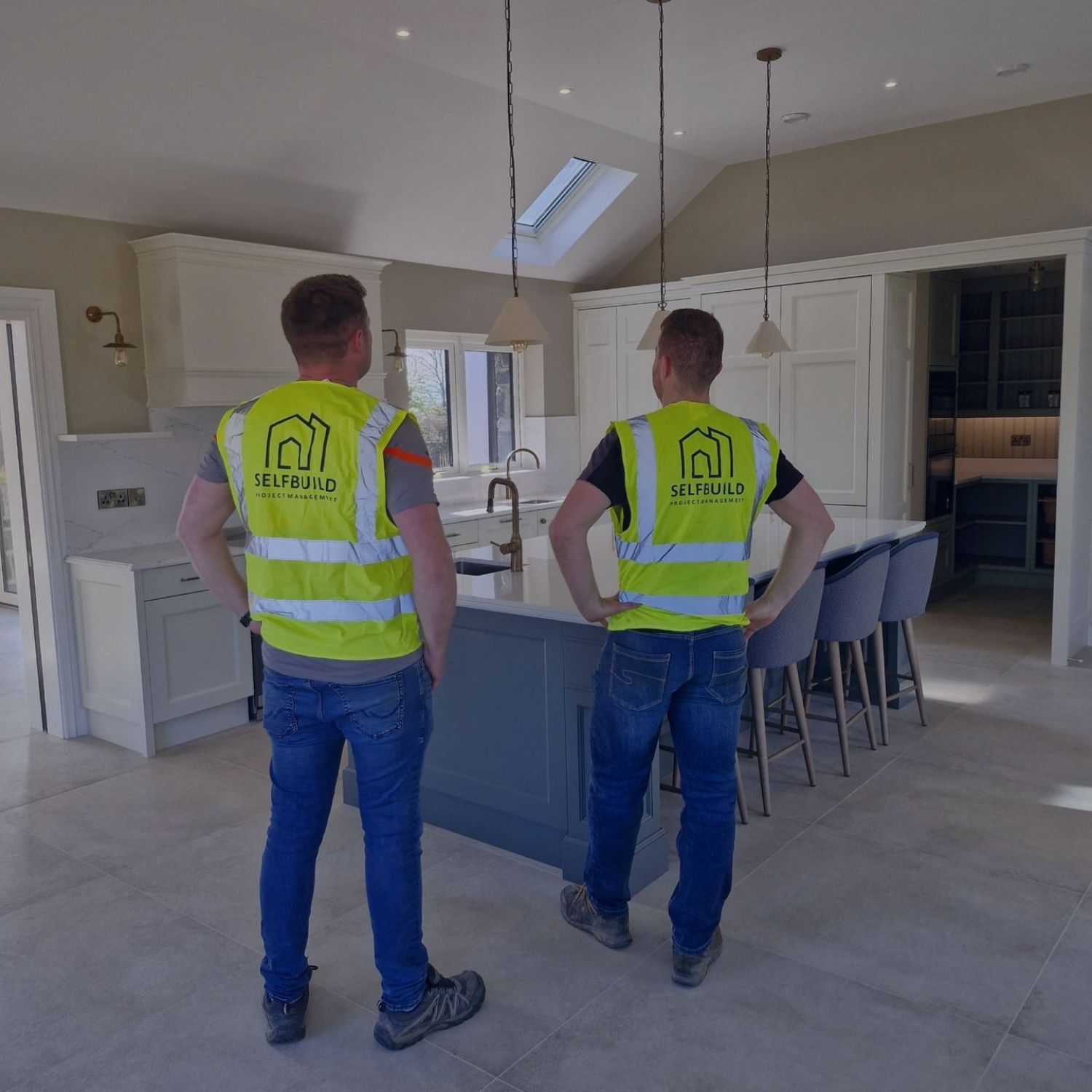
SelfBuild Project Management manages the construction process on your behalf. From the start of works through to completion, the build is professionally coordinated so that trades, materials, and site activity are organised in the correct sequence and to the required standard.

This allows homeowners to benefit from the advantages of self-building without having to manage the day-to-day running of a construction project themselves.

How it Works

Our approach offers customers all the advantages of self building with the support and guidance of experienced project managers.
Trades & Suppliers Are Managed for You

Tradespeople and suppliers are sourced, scheduled, and managed throughout the build. The project manager coordinates all site activity to ensure works progress efficiently.

Payments Are Made Directly

Trades and suppliers invoice the homeowner directly. This provides full transparency of costs and removes contractor markups, while the project manager oversees invoicing and cost tracking.

The Build Is Professionally Managed

The project manager oversees quality, progress, and sequencing on site, acting as the central point of coordination between homeowners, designers, trades, and suppliers.

What We Manage

We manage the construction process on your behalf while ensuring you retain full control and transparency throughout the build.

  • Liaising with your architect to ensure works align with approved drawings
  • Liaising directly with homeowners on progress and upcoming decisions
  • Liaising with BER assessors to ensure A-rating requirements are achieved
  • Setting and managing the construction budget
  • Sourcing and analysing supplier and trade quotations
  • Appointing and coordinating trusted trades and suppliers
  • Managing daily site activity and monitoring quality and milestones
  • Assisting with setting up trade accounts with building providers
  • Ordering, measuring, and coordinating materials deliveries
  • Overseeing invoicing and advising homeowners on payments due
  • Providing regular cost and progress updates throughout the build
  • Ensuring quality and cost efficiency are maintained throughout construction

Projects This Service Is Designed For

Project management services are provided for:

  • One-off self-build homes
  • Replacement dwellings
  • Large residential extensions involving structural works and multiple trades

The service is designed for projects that require full coordination and ongoing site management and is not suited to small domestic extensions or minor renovation works.

Build Costs and Timeline at a Glance

Building a home involves many moving parts, from early groundworks through to final finishes. To help you understand what is typically involved, we have outlined an example cost breakdown alongside a typical build schedule.

These are provided as a guide only and are intended to give an indication of how costs and timelines are usually structured during a self build or one-off housing project.

This example build schedule outlines the usual sequence of works from site preparation through to move-in.

Timeframes can change due to weather, contractor availability, inspections, and material lead times, but this gives a realistic overview of how a standard build progresses.

Work Progress Key Dates
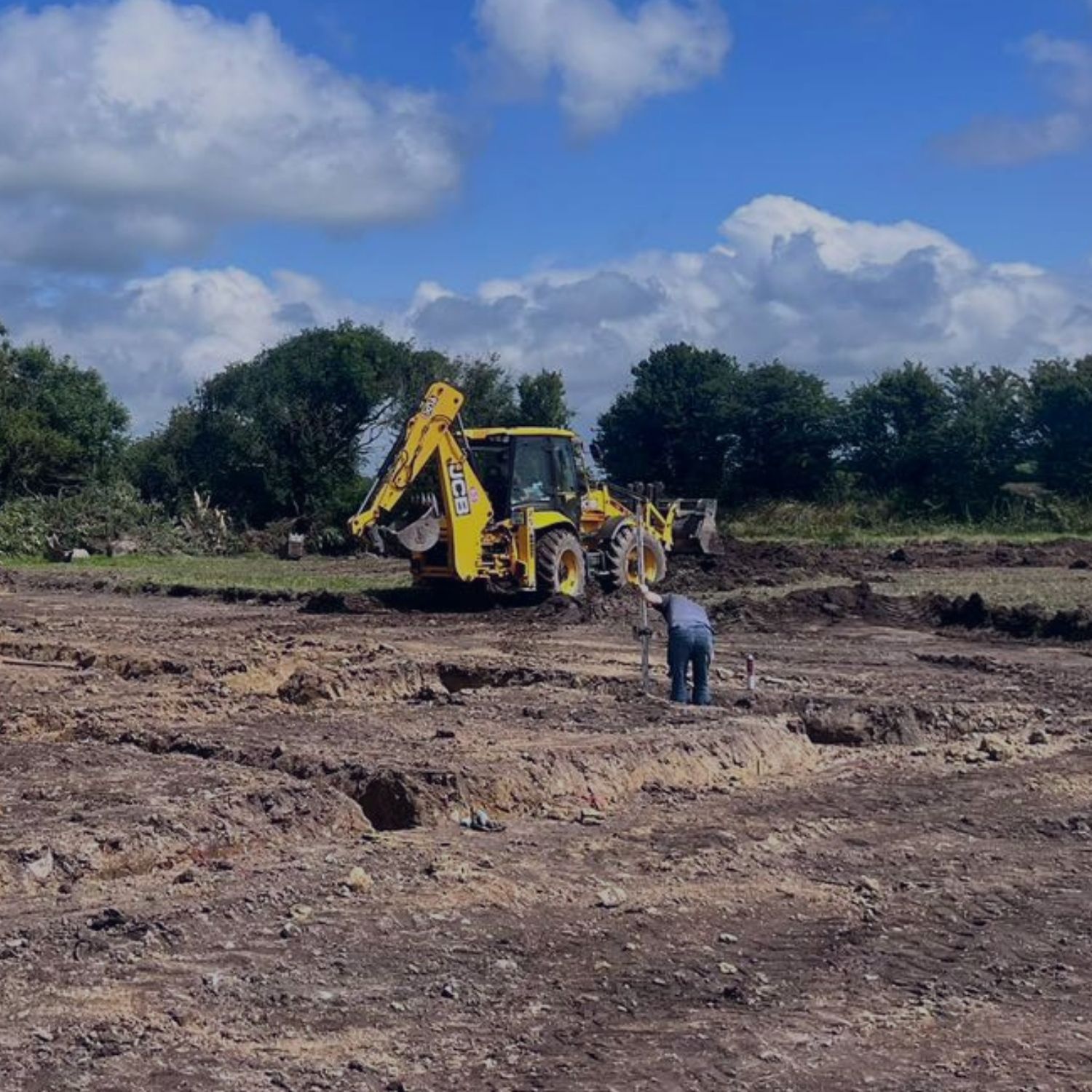
Break ground, clear site, pour foundations 9 January
Block layer to do footings 31 January
Driveway, foundations, footings and base floor finish 7 January
Block layer start from floor level 21 February
Hang road gate and fence perimeter 21 February
Start scaffold 26 February
Block layer finish to joist level 17 March
Carpenter joist and ply first floor start 28 March
Carpenter joist and ply first floor finish 29 March
Block layer first floor blocks start 4 April
Block layer first floor blocks completion 7 April
Scaffold completed for roofers 10 April
Carpenter to start roof 20 April
Start electrical first fix 23 April
Windows and external doors start 13 May
Start stud walls upstairs 18 May
Windows and external doors complete 19 May
Roof timber, felt and stud walls complete 22 May
Underfloor insulation, pipework and final screed start 21 May
Start plumbing first fix 30 May
Move scaffold down for plasterer 1 May
Plasterer to start and finish external plastering 2 May
Underfloor insulation, pipework and final screed complete 8 May
Start insulating internal of the house 11 June
Install airtightness around windows start 18 June
Roof slates complete 17 June
First fix heat recovery start and complete 20 June
Finish plumbing first fix 25 June
Finish electrical first fix 25 June
Dig well and apply pump 25 June
First half fascia, soffit and gutters 25 June
Finish insulating internal of house 3 July
Plasterer to start slabbing and airtightness membrane 11 July
Plasterer to finish slabbing and airtightness membrane 17 July
Take down scaffold start 5 August
Take down scaffold finish 7 August
Plastering complete 10 August
Start second fix electrical 19 August
Fascia, soffit and guttering start 26 August
Start painting house internally 28 August
Clean site and dispose of rubbish 31 July
Finish painting house internally 16 September
Second fix and commission heat recovery system 20 September
Fascia, soffit and guttering finish 23 September
Start tiling downstairs 26 September
Start second fix plumbing 27 September
Electrical testing for RECI 2 October
Finish tiling downstairs 30 September
Start tiling bathrooms 30 September
Start fitting kitchen 3 October
Fit utility and wardrobes main bedroom start 3 October
Finish fitting kitchen 4 October
Fit utility and wardrobes main bedroom finish 4 October
Install sanitary start 4 October
Fit stairs first fix start and finish 19 October
Fit stairs second fix start and finish 20 October
Start timber floor downstairs 22 October
Start sewage system and pipework 25 October
Start flooring upstairs 29 October
Install sanitary finish 29 October
Finish flooring upstairs 1 November
ESB bring cable into house 14 November
Electrical power on 19 November
Heating turned on 22 November
Finish second fix plumbing and heating 22 November
Finish sewage system and pipework 23 November
Move in goods, appliances and furniture 25 November
Start second fix carpentry 25 November
Footpaths start 25 November
Footpaths finish 28 November
Complete snags 4 December
Finish second fix carpentry 6 December
Move in 9 January


This sample cost breakdown shows how a typical build budget is usually divided across the main stages of construction.

Actual costs will vary depending on site conditions, house size, specification, and design choices, but this provides a useful reference point when planning your overall budget.

Description Cost Comments
Prelims/Misc Prelims: skips, waste, project management,
equipment such as scaffold, fuel tools etc.
Site Works & Driveway Stone
Foundations & Slab
External Walls incl Insulation
Roof incl Insulation
Windows External Doors
Upper Floor including insulation
Stairs Provisional Sum, cost may vary
Internal Walls
Internal Doors & skirting
Floor Finishes
Wall Finishes plastering
Ceiling Finishes plastering
Heating & Heat Recovery
Electrical Install
Water Install
Septic Tank Waste & Sanitary
Kitchen Provisional Sum, cost may vary
Built in Cupboards Provisional Sum, cost may vary
Professional Fees / Road access Architect, council fees, solicitor fees ESB etc
Build Total